Company News•10/21/2026
Siddhartha Rao Kamalakara turned down a dream AI job to build Ambition in Toronto. He knows the rational case for leaving. He builds here anyway.


Headwind by Nini
The Ambition office in Liberty Village is quiet on a chilly November day. It's a converted warehouse with brick walls, wooden floors, white paint, and a lot of open space. Outside the windows, yellow leaves cover a small patch of park. Squirrels play right outside the window where Siddhartha Rao Kamalakara sits. His desk is in the middle of the room, with his team's desks all around it.
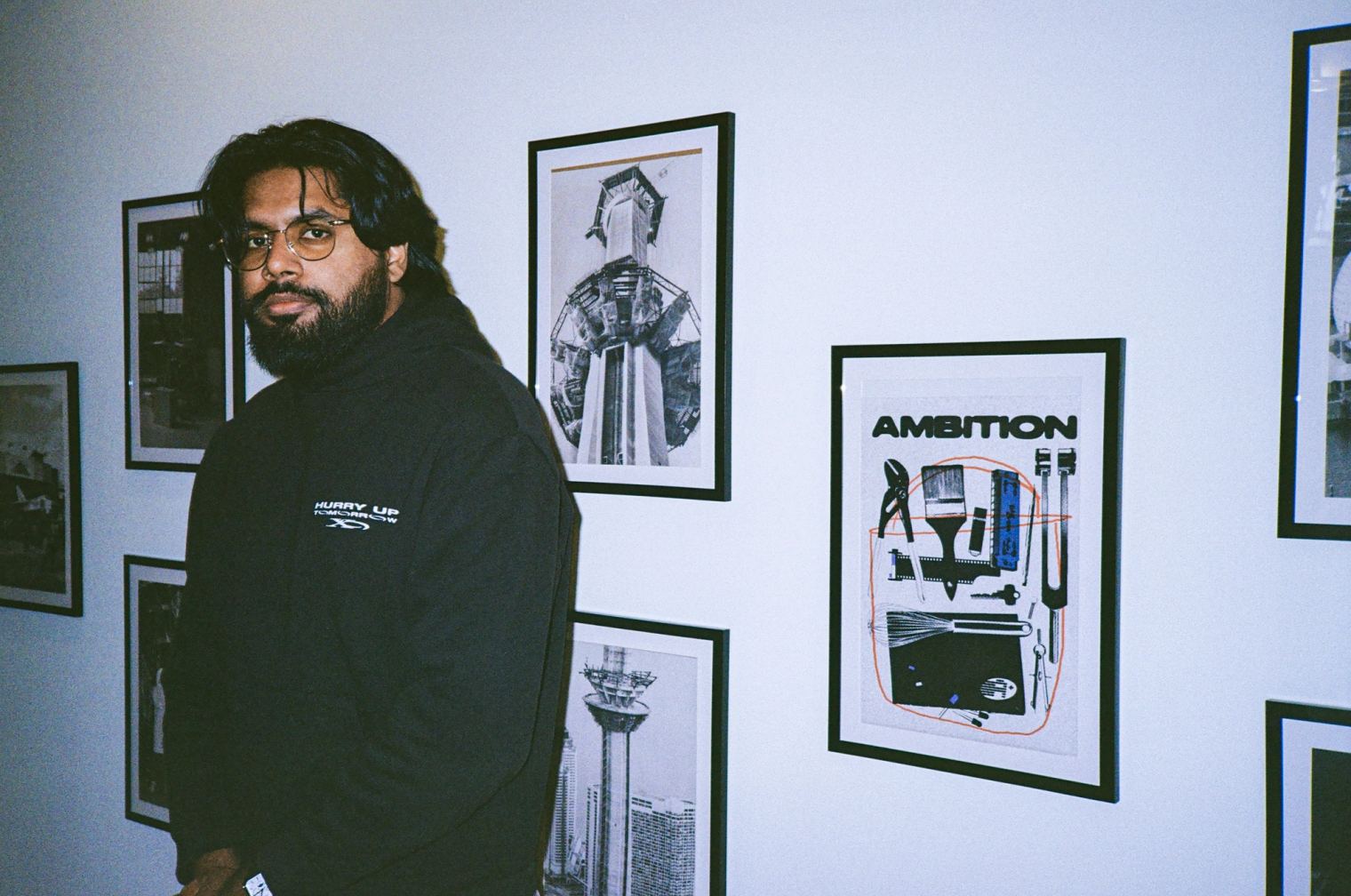
Sid, as he goes by, is tall and soft-spoken. He wears a hoodie. He has just come back from Calgary, where Ambition was the main sponsor of The Canon Event, a screening of ten short films by creators. Sid sat on a panel. Ambition showed a short film of its own.
He is the founder and CEO of Ambition, a Toronto AI startup. He describes it as “basically a group chat where people and their AI agents can work together, learn from each other, and achieve ambitious outcomes in a way they weren't able to before.”
He could have built it somewhere else. Ask him why he didn't, and he gives an answer most founders wouldn't. “Rationally speaking, obviously the reason I chose to stay in Toronto is because I like it and there's a lot of rational reasons to not be here.”
Sid was born and raised in Hyderabad, India. As an undergrad there, he read the AI research coming out of the University of Toronto and started working with researchers here remotely. “Toronto was my dream destination,” he says, “because a lot of the research that I deemed cool and innovative was actually happening here.”
His chance came in 2020. ProteinQure, a Toronto biotech company working on peptides for drug discovery, offered him a job. He had no family or friends in Canada. He came anyway. “They took a bet on me,” he says. His visa, he says, came through in two weeks.
The landing surprised him. “There was never a moment where I felt like I was an outsider coming in,” he says. “I just blended right in from the moment I got off the plane.”
From there his career moved fast. He spent four years at Cohere, where he says he built the distributed training and pre-training teams. He had worked with Cohere's founders since 2017, while he was still an undergrad. Then came Runway, where he worked on AI video models. Then a school he started himself, the Toronto School of Foundation Modelling. Then three months at PsiQuantum, working on quantum error correction.

Along the way, EvolutionaryScale offered him a job. It was protein AI work, the kind he loved. The catch was that he would have to move to New York or San Francisco.
Sid was in Toronto when he made the call. “It was not an easy decision because I was passionate about the space and I still am,” he says. “It was just not a trade-off that I was willing to make.”
Saying no didn't end the question. Much of the protein AI work he cared about wasn't happening in Toronto. “There was a doubt that maybe I'm holding myself back,” he says. “It's a question that I keep asking myself from time to time, even as I run Ambition.”
He doesn't try to make the doubt go away. He thinks it's useful. “There's a lot more faith in Toronto than doubt, but I think it's good to ask yourself these questions.”
Sid didn't expect to start a company. “I've seen a few of my founder friends and it's hard,” he says. “And I just couldn't imagine putting myself through that kind of thing.”
What changed his mind was a gap he kept noticing. Inside AI companies, he says, “human empowerment” is the story people tell. Then “this tech meets the existing world, the reality and it warps into something else.” Ambition is his attempt to close that gap.
The company officially started in March 2026. When Sid raised his pre-seed round, he was the only person on the team. He had to persuade people to join a company that was, at that point, one person and an idea. “Finding people who believe in the mission is difficult,” he says.
Today there are six of them. His desk is the one in the middle.
Ask Sid why he's building Ambition in Toronto, and the first answer is short. “I don't know where else I would build it.”
The longer answer is about how the city thinks. He calls Toronto grounded, “not in a way that is like holding itself back, even though sometimes I think that is true.” What he values is the mix of people, ideas, and lives. He thinks that matters for a company like Ambition, which is about how people use AI, not just the AI itself.
He sees San Francisco differently. To him, the city tends to share one vision of the future. If you're building something different there, “it might feel like it's you versus the rest of the world.”
His proof is the most famous story in Toronto tech. Geoffrey Hinton spent decades working on neural networks at the University of Toronto. “I hear that these were laughed at. These ideas weren't taken seriously, but it happened in Toronto,” Sid says. Decades later, those ideas became the base of modern AI.
To Sid, that's the point. Contrarian work needs “a place where you can be yourself and not have to subscribe to someone else's vision.”
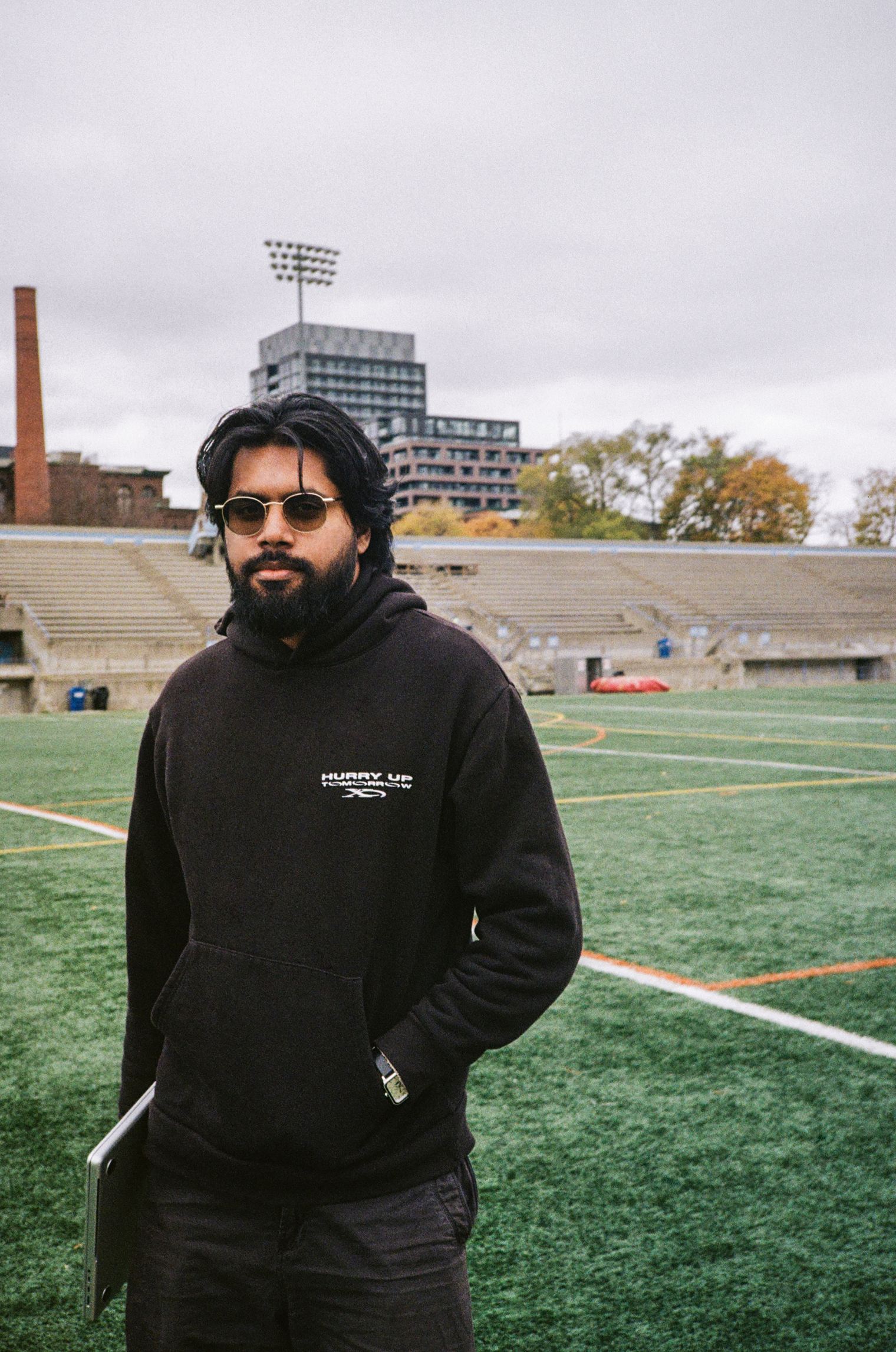
He is not a cheerleader. He says plainly that much of the frontier AI research has left Toronto. The early ideas and people were here, he says. Then building large models started to need huge amounts of money, and the work moved.
Part of the reason, he has heard, was a lack of “early faith in something and taking a risk and betting on people.” Then he turns the question on himself. If OpenAI had gone to investors in Canada, he says, “I don't know if I myself would have invested because it's just a crazy bet and you just need people to take crazy bets.”
He doesn't blame the people who leave. “I think it's only fair that people want to do their best work and want to work with the best of the best.”
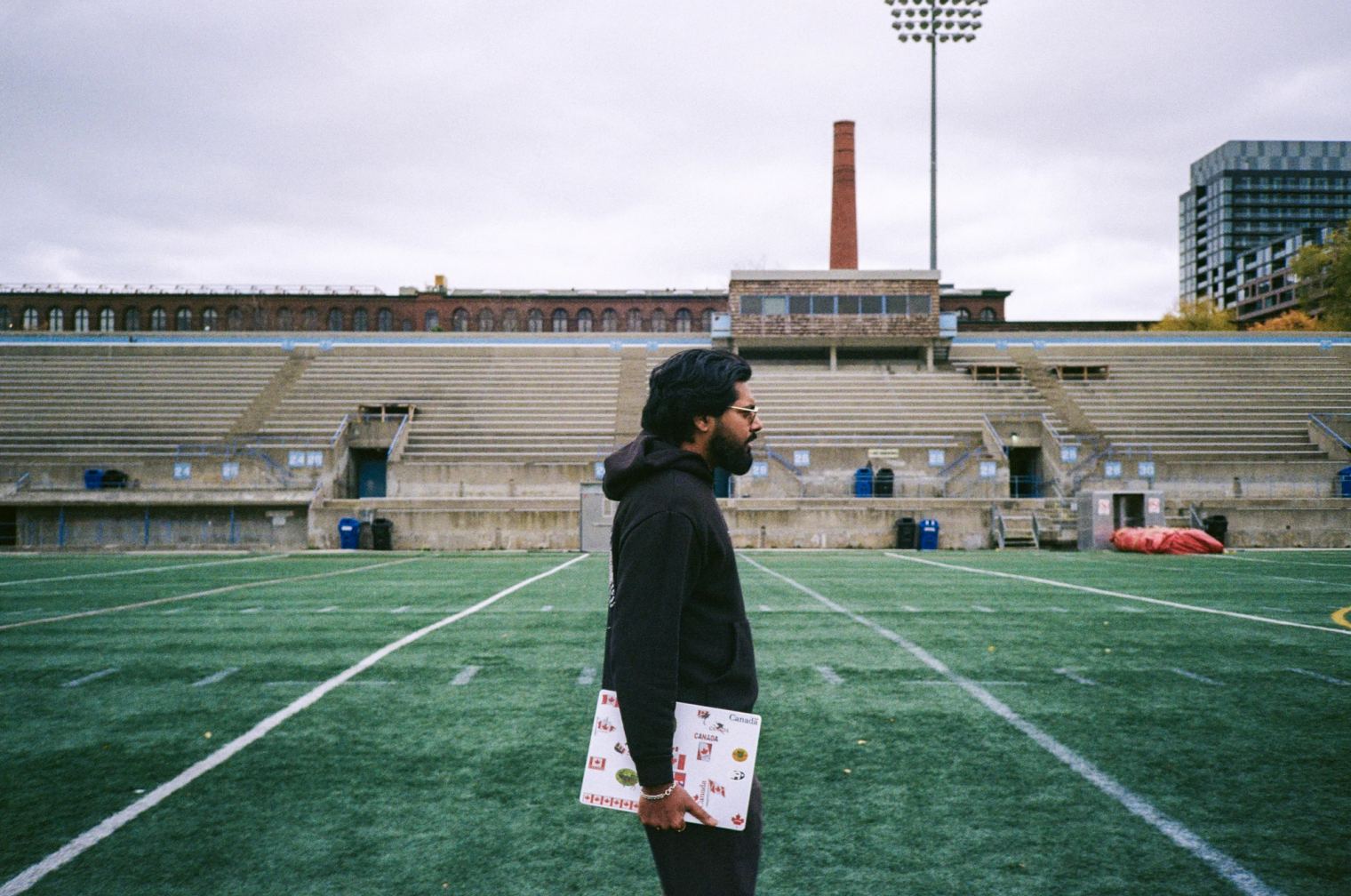

Sid is clear about the trade. “Sometimes I feel like it would be easier to build this company in San Francisco,” he says.
The biggest cost is the network. “Toronto still sometimes feels like a slightly closed off city to me,” he says. His circle of founders here is “pretty small. It's just like a few people.” In SF, he thinks, it would be far bigger, and he'd learn faster from other people's experiments. Here, “you kind of have to chart your own route and learn your own learnings, which is a positive, I think.”
He has little patience for the side of Toronto tech that runs on dinners. “I just hate networking events, I think,” he says. He would rather see founders share what they tried, what failed, and what worked: “being just more honest about things than just like a fancy series of events or dinners.”
Money wasn't the hard part. He says founders can raise from US and Canadian investors without leaving Canada. Some of his investors asked if he would move to the States, and he says a US company would have been a bit better for them on taxes. Nobody pushed. “I think you can just stand your ground,” he says, “and I think almost every good investor will respect that.”
Hiring is the real test. “I'm competing against every other team, every other company that wants an AI engineer,” he says. Canada helps, he says, with government programs that cover research costs and computing power. He doesn't think that decides anything. “Doesn't matter the city, doesn't matter the subsidization. All that matters is the mission and the team.”
That is also where he draws the line. If he can't hire the right people here, he says, he would move. “But I'm pretty confident about not having to do that.”
And to a founder who tells him they're moving to the US? He doesn't argue. “You must have thought these things through. And if you wanna move, you should move.”
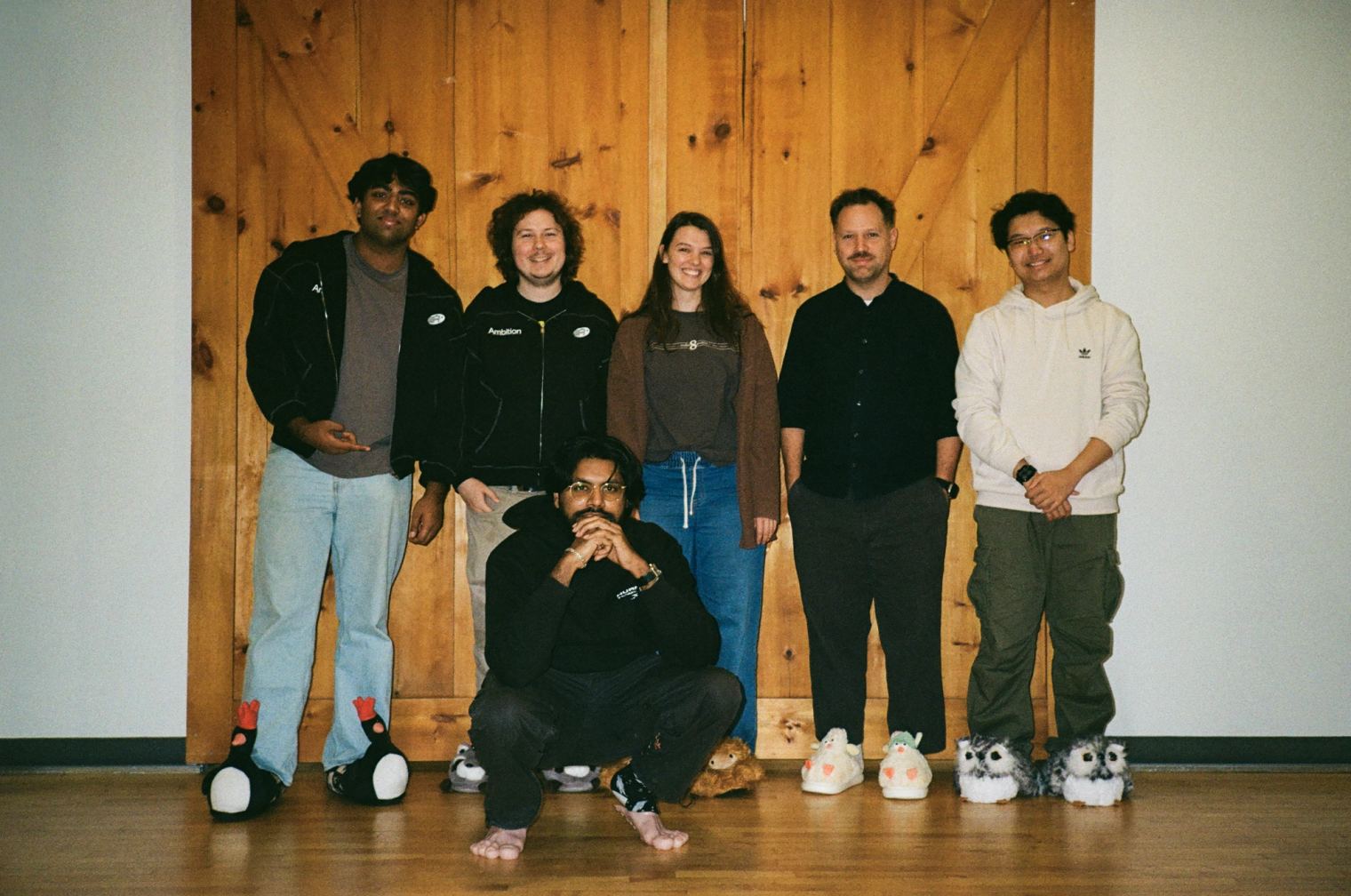
For someone who has spent his career building AI models, Sid puts surprisingly little weight on logic.
“I think even like rationality as a concept is overrated,” he says. “Sometimes you do have to take a leap of faith.”
His reasons for Toronto wouldn't fit in a spreadsheet. “I like Toronto,” he says. “I have my friends here, I can have any kind of food here and it's comfortable.”
He catches the word before anyone else can. “It's comfortable, not in like a complacent way, but it's comfortable enough that it allows me to really pour my all into the things that I'm doing.”
“And that's all that I need,” he says. “And Toronto has it.”
— David Choi
David Choi leads marketing at Nini. He interviews fintech founders about what they're building and what they've learned.
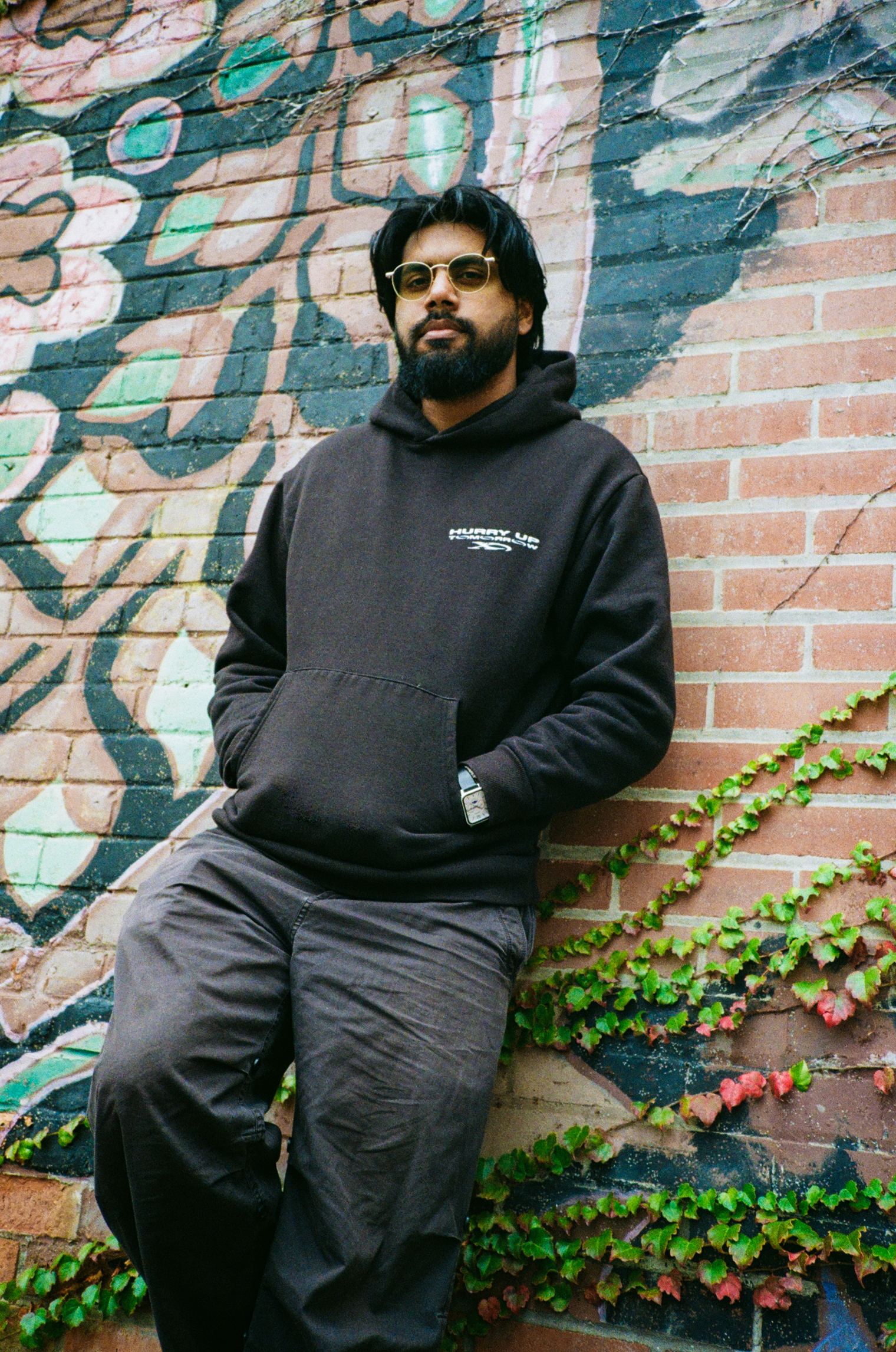
Sid is the founder and CEO of Ambition, a Toronto AI company.
ambition.inc